- (986) 300-5716
- 1217 South Broadway Avenue, Boise, ID 83706
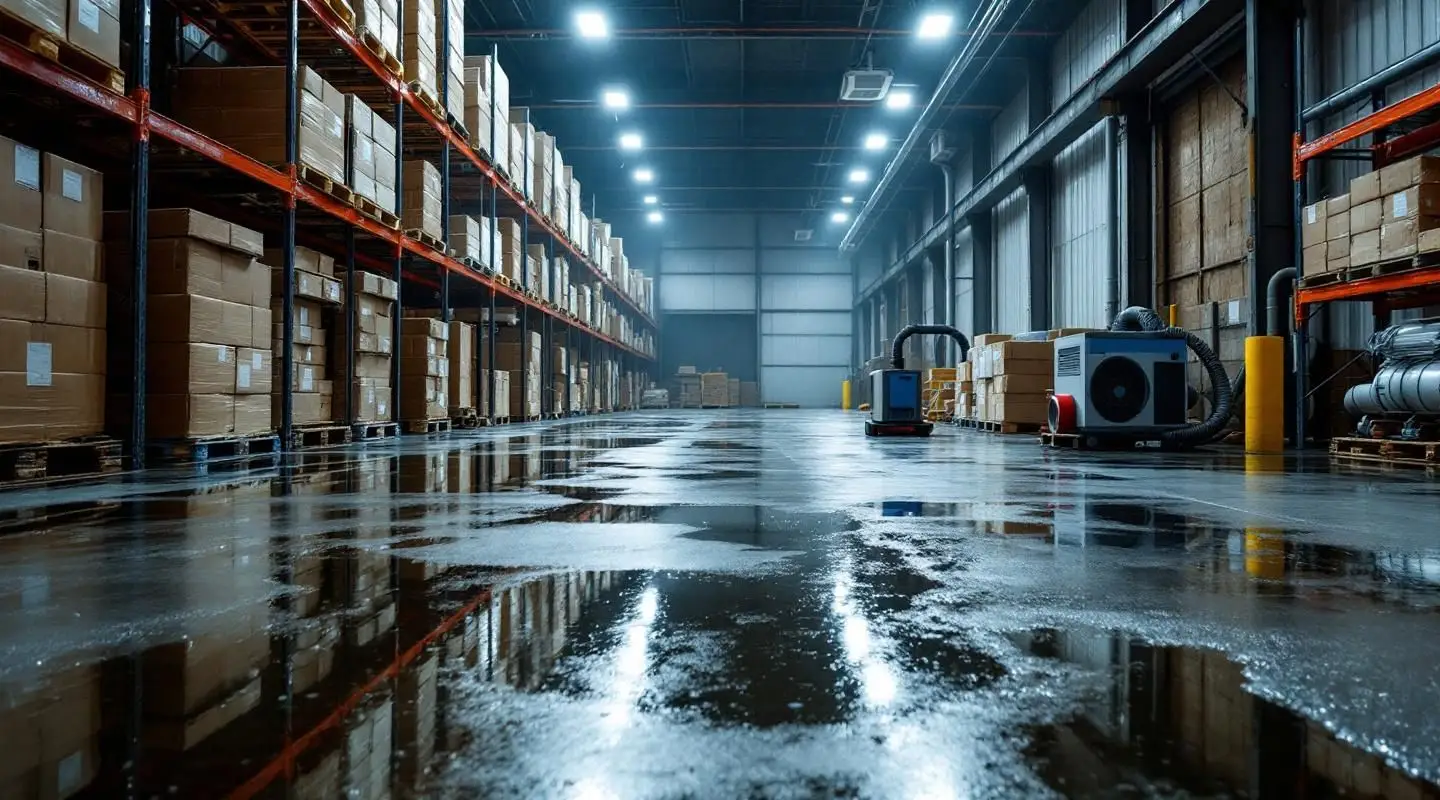
When a pipe bursts in a high-bay warehouse or spring snowmelt floods a loading dock in Boise, the clock starts ticking against your inventory and your slab. You aren’t just dealing with a puddle; you’re facing a logistical nightmare that threatens fulfillment schedules and structural integrity. At MoldMasters of Boise, we understand that a warehouse isn’t just a building—it’s a hub of activity where every hour of downtime costs real money. Our approach to Warehouse Water Damage Cleanup focuses on rapid commercial water extraction to stabilize the environment before moisture migrates into your pallet racking or under the concrete.
Large-scale facilities require more than just a few fans. We use high-capacity desiccant dehumidifiers and moisture mapping to identify exactly where water is hiding, even behind insulated metal panels or within the pores of a concrete floor. If water is left to sit, it can warp slabs or trigger mold growth in fiberglass batt insulation within 48 to 72 hours. By using thermal imaging inspection, our team of experienced technicians can track the drying progress in real-time, ensuring that your facility meets the IICRC S500 standard for professional restoration.
We know you have SLAs to maintain and tenants to keep happy. That is why we coordinate our industrial dehumidification and air mover placement to allow for phased operations whenever possible. You shouldn’t have to choose between a dry building and a functioning business. From documenting inventory loss for your insurance adjuster to performing post-drying clearance testing, we handle the technical heavy lifting so you can focus on logistics. Whether it’s a Category 3 water intrusion from a sewage backup or a clean-water burst from a fire suppression line, we provide the scale and speed Treasure Valley businesses need.
When a fire suppression line bursts or the spring snowmelt from the Boise Foothills overwhelms your loading docks, the scale of the response must match the scale of the facility. Unlike a standard office leak, warehouse flooding involves massive air volumes and porous concrete slabs that can hold moisture long after the surface looks dry. We focus on rapid commercial water extraction to stabilize the environment before high humidity begins to affect your pallet racking or sensitive inventory. Our team understands that every hour of downtime is a breach of your logistics commitments, so we prioritize a phased response that keeps your fulfillment operations moving while we work.
Effective restoration in a large-scale Treasure Valley facility requires a rigorous structural drying protocol. We use industrial dehumidification and precise moisture mapping to ensure that water hasn’t wicked into insulated metal wall panels or settled under heavy machinery. By working with the experienced technicians at MoldMasters of Boise, you receive a data-driven approach that satisfies both your insurance adjuster and your safety officers. We provide the psychrometric readings and drying logs necessary to prove the building is safe for occupancy and that your high-value stock is protected from secondary vapor damage and corrosion.
Inventory Salvage — We prioritize protecting high-value stock from secondary humidity damage using targeted containment barriers and rapid moisture control.
Concrete Slab Drying — Specialized equipment extracts moisture from deep within the slab to prevent future flooring failures or racking system corrosion.
Operational Continuity — Our crew works in strategic phases to allow your logistics and shipping teams to remain active in unaffected zones.
Insurance Documentation — We provide detailed moisture maps and inventory loss records to streamline your commercial property claim and prove thoroughness.
Industrial Dehumidification — High-volume desiccant units are deployed to manage the massive air volumes typical of Treasure Valley industrial parks.
The timeline for Warehouse Water Damage Cleanup in Boise depends heavily on the ‘Class’ of the intrusion and the total square footage involved. For a typical Treasure Valley industrial facility, we aim to complete the initial commercial water extraction within the first few hours to stabilize the environment. However, full industrial dehumidification and structural drying usually require 3 to 5 days of continuous equipment operation. Factors such as whether moisture migrated under the concrete slab or into high-bay racking systems will dictate the final schedule. We use daily psychrometric readings to track progress, ensuring the facility reaches a dry standard consistent with the IICRC S500 before we demobilize our air movers.
Most commercial policies in the Boise area cover Warehouse Water Damage Cleanup if the event was sudden and accidental, such as a burst fire suppression line or a sudden roof membrane failure during a heavy spring snowmelt. Our experienced technicians focus on providing the rigorous moisture mapping and inventory loss documentation that adjusters demand for claim approval. We find that many Treasure Valley claims face hurdles because of insufficient data; therefore, we prioritize transparent drying logs and thermal imaging inspections to prove that the structural drying protocol was followed correctly from start to finish.
While concrete appears indestructible, it is a porous material that acts like a hard sponge. During Warehouse Water Damage Cleanup in Boise, standing water can seep deep into the slab through expansion joints and cracks. If not addressed with industrial desiccant dehumidifiers, this trapped moisture can cause ‘wicking,’ which eventually destroys epoxy floor coatings or leads to pallet racking corrosion. We utilize specialized moisture meters to ensure the slab is truly dry, preventing long-term structural issues that could compromise your floor’s weight-bearing integrity. You can learn more about professional drying standards through the IICRC website, which sets the global benchmark for these restoration protocols.
Total operational shutdown is rarely necessary if the response is managed correctly. For Warehouse Water Damage Cleanup in Boise, our crew often implements strategic containment barriers to isolate affected loading docks or storage aisles. This allows your logistics team to continue fulfillment in dry zones while we manage the industrial dehumidification in the impacted areas. We coordinate directly with facility managers to ensure our air mover placement and power cables do not create safety hazards for forklift operators, allowing you to maintain your client SLAs while we stabilize the building’s environment.
Delaying Warehouse Water Damage Cleanup in Boise by even 24 hours significantly increases the risk of secondary damage. Many local warehouses built in the 1980s and 90s use fiberglass batt insulation behind metal wall panels; once this material gets wet, it rarely dries on its own and becomes a breeding ground for mold. In the Treasure Valley’s climate, Category 1 water from a clean pipe can degrade into a Category 3 biohazard situation within 48 to 72 hours if the humidity isn’t controlled. Rapid response prevents the need for invasive demolition of wall systems and protects your inventory from microbial cross-contamination.
Water doesn’t wait for your insurance adjuster to arrive. In a large-scale warehouse, moisture migrates quickly under pallet racking and into wall systems where it can trigger mold in less than 48 hours. You need a crew that understands the Boise industrial corridor’s specific challenges, from frozen fire lines to spring snowmelt floods. We provide the psychrometric documentation your carrier requires while focusing on getting your loading docks back in service.
Contact our experienced technicians today to begin the moisture mapping process and secure your facility. We prioritize operational continuity, working in phases so you can keep fulfilling orders while we handle the industrial dehumidification and structural drying.
Choosing a restoration partner for a 50,000-square-foot facility is fundamentally different than hiring a crew for a residential basement. At MoldMasters of Boise, we specialize in the specific logistical and structural challenges found throughout the Treasure Valley’s industrial corridors. Unlike national franchises that often dispatch generic crews from several counties away, we are locally owned and operated right here in Boise. We intimately understand how our regional freeze-thaw cycles impact older tilt-up construction and fire suppression systems. When a high-bay line bursts in the dead of winter, our technicians arrive with the specific intent of salvaging your inventory and protecting your concrete slabs from deep moisture migration.
Our technical approach sets us apart from general “break-fix” shops or DIY attempts that often leave moisture trapped behind insulated metal panels. We adhere strictly to the IICRC S500 standard for professional water damage restoration, employing high-capacity desiccant dehumidifiers and advanced moisture mapping to ensure every square inch of your facility is documented and dry. MoldMasters of Boise doesn’t just extract standing water; we use psychrometric readings to prove the environment has returned to a safe baseline. This level of data-driven transparency is critical for our team to satisfy both your insurance adjusters and your strict tenant SLAs regarding structural integrity.
We prioritize your operational continuity because we know that every hour of a shutdown represents lost revenue and disrupted fulfillment schedules. Our technicians are trained to implement phased drying protocols, which often allows you to keep loading docks or specific bays operational while we work on the affected zones. By managing the direct insurance billing and providing comprehensive drying logs, we remove the administrative burden from your procurement team. You get a specialized partner who understands warehouse-scale restoration, ensuring the job is done right without the typical headaches of a large-scale commercial claim.
When a pipe bursts or spring snowmelt floods your loading dock, the clock starts ticking against your fulfillment schedule. In Boise, we see these issues peak during the transition from winter freezes to rapid spring thaws in the Treasure Valley. A warehouse isn’t just a building; it’s a hub of inventory and logistics where standing water can quickly compromise pallet racking systems or seep into expensive equipment. If you don’t address the moisture immediately, you aren’t just looking at a wet floor—you’re looking at potential breaches in client SLAs and massive inventory loss documentation that can cripple a business.
Large-scale industrial spaces require more than just a few fans. We use high-capacity desiccant dehumidifiers and precise moisture mapping to ensure that water hasn’t migrated under your concrete slab. If moisture stays trapped there, it can lead to long-term structural issues or warp the very foundation of your facility. Following the IICRC S500 standard isn’t just a formality; it’s how we protect your property from Category 3 water intrusion that could otherwise shut down your entire operation for weeks. Our experienced technicians understand that your insurance adjuster needs psychrometric readings and a clear drying log to approve your claim.
You also have to consider the hidden pockets of moisture behind insulated metal panels and inside fiberglass batt insulation, common in many Boise warehouses built in the 80s and 90s. Without professional thermal imaging inspection, these areas become breeding grounds for mold within 48 to 72 hours. We provide the paper trail your procurement team needs to satisfy risk management requirements. By prioritizing rapid commercial water extraction, you mitigate the risk of electrical hazards near charging stations and prevent pallet racking corrosion that could lead to catastrophic rack failure.
Safety is the final, most critical factor. Standing water near main electrical panels creates an immediate liability for your crew. We work to stabilize the environment quickly, often setting up containment barriers so you can keep parts of your warehouse running while we finish the structural drying protocol. This phased approach keeps your logistics moving while we handle the heavy lifting of industrial-scale restoration.
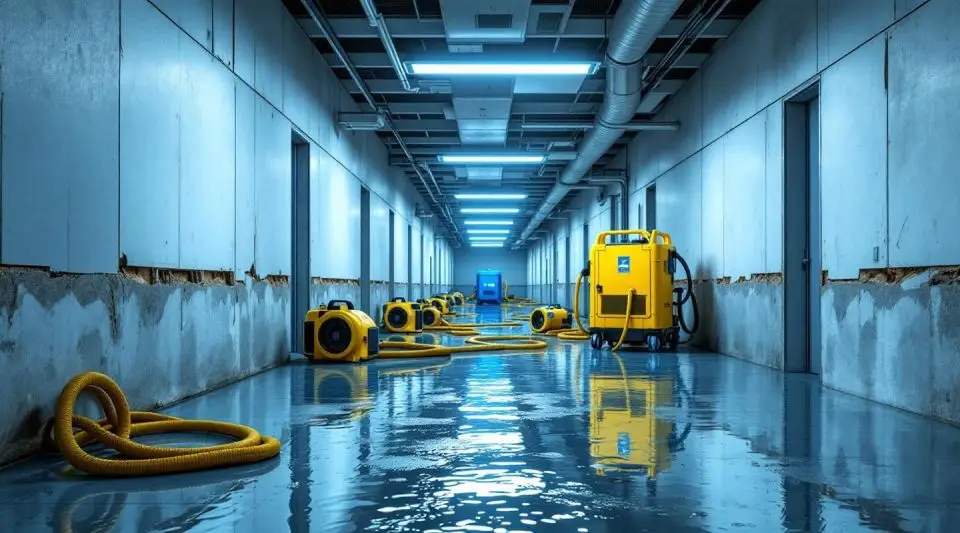
Commercial water damage in Boise isn't just a maintenance headache; it’s a direct threat to your bottom line and business continuity.
Learn more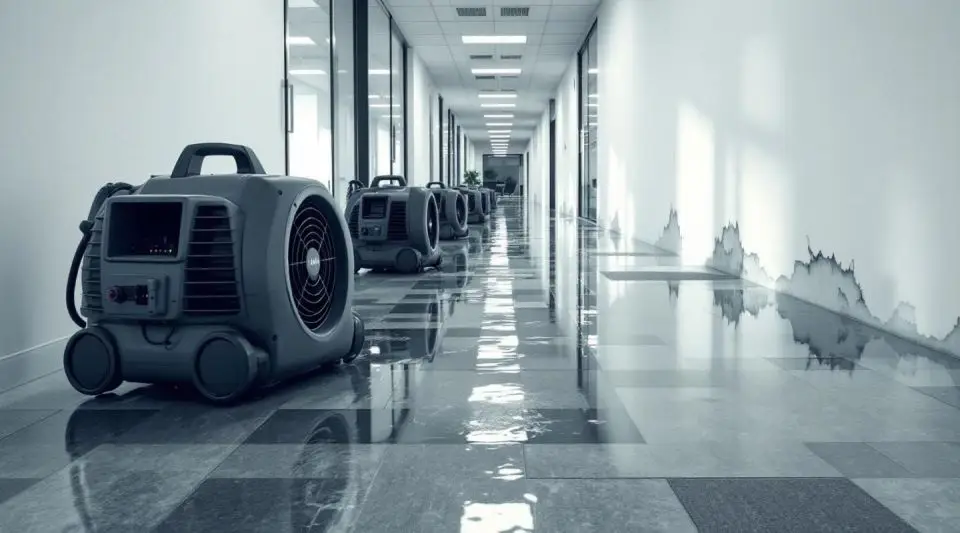
When a main plumbing line bursts on the upper floor of a Boise office building, the impact ripples far beyond the initial splash.
Learn more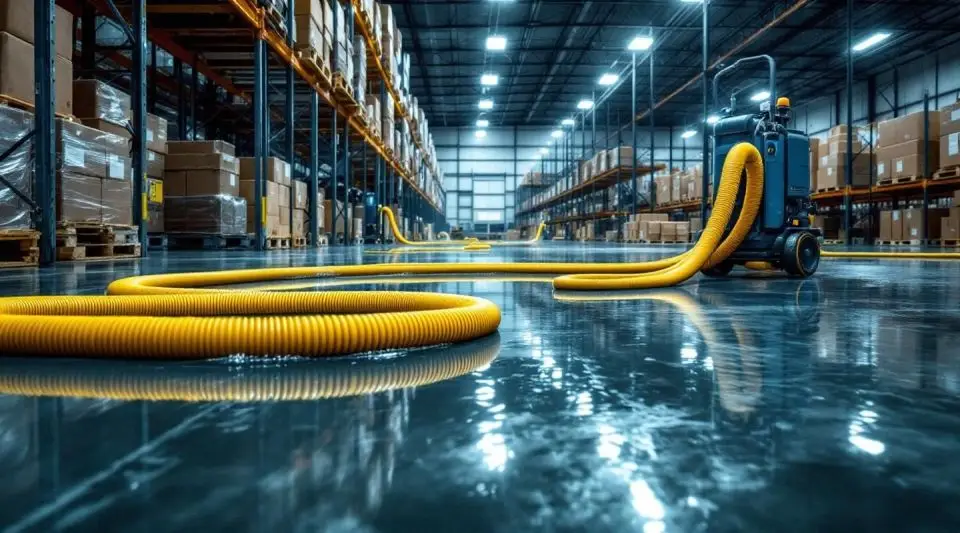
When a main breaks or a roof fails in a Boise industrial facility, the clock doesn't just start ticking—it races.
Learn more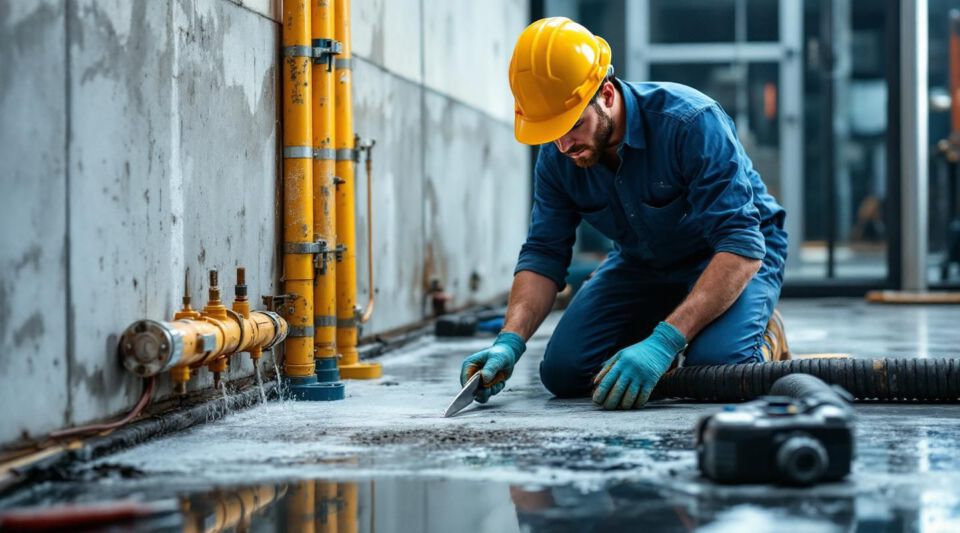
When guest room flooding strikes a hospitality property, the clock doesn't just tick; it echoes through your bottom line.
Learn more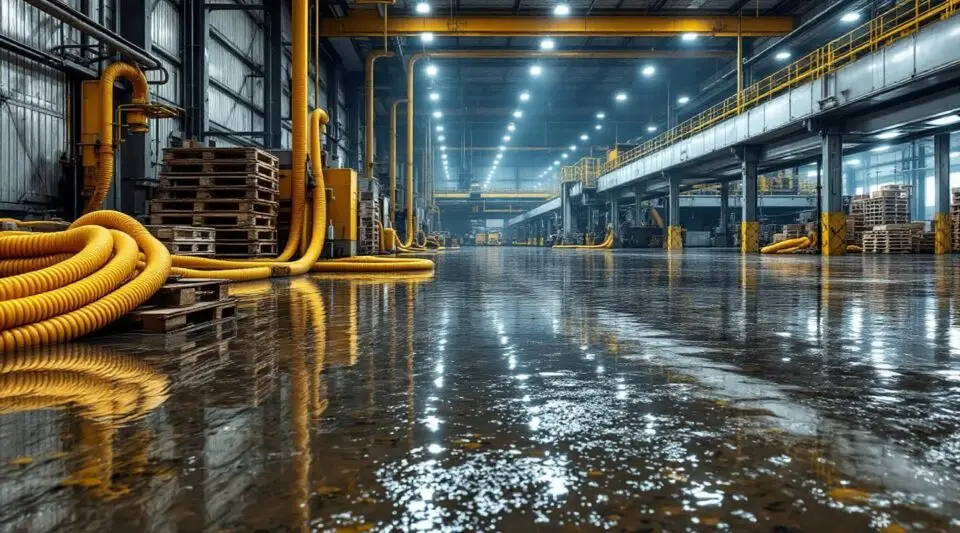
When a commercial facility in the Treasure Valley faces a large-loss water event, the clock doesn't just tick; it screams.
Learn more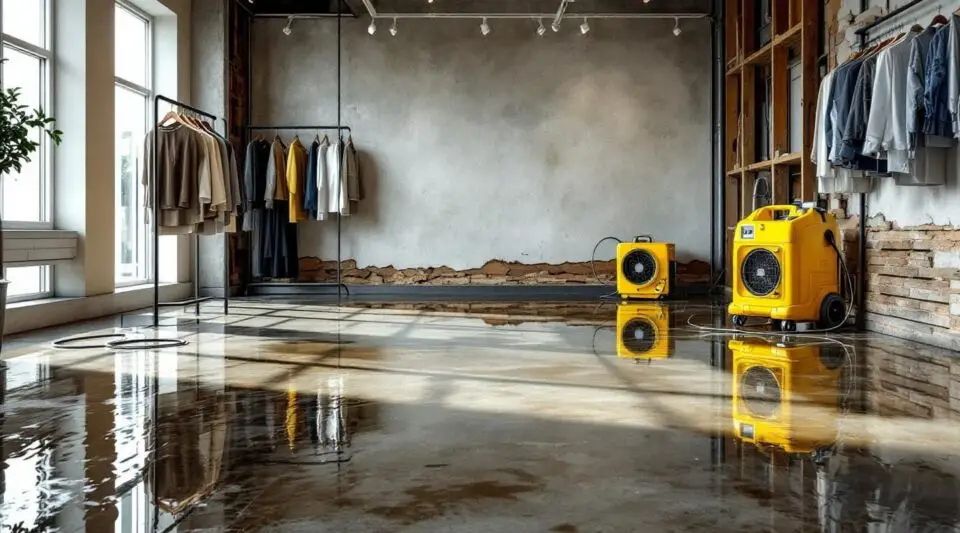
When a main line bursts in a Boise retail strip or the Boise River overflows during the spring snowmelt, the clock starts ticking against your bottom line.
Learn more
When a pressurized supply line failure occurs in a Boise office building or retail center, the volume of water released can be staggering.
Learn moreWe kept getting mold on our windowsills, and the crew said it was because of the dampness. They took care of the regions that were harmed and gave advice on how to stop more development from happening. Very professional and easy to work with.
Sarah Simpson
Because the air flow wasn't operating well, MoldMasters of Boise helped us get rid of the mold in our attic. They utilized a complicated process to get rid of mold that included gathering it up, throwing it away, and cleansing the air. They did more tests to be sure the air was safe. I liked how honest and sincere they were. The staff was very skilled at what they did and knew a lot about how to identify and get rid of mold.
Cheryl McLaurin
When a pipe burst and flooded our house, this mold removal team came to our rescue. They arrived very promptly, dried everything out, and hauled away everything that was broken. There was outstanding communication and attention to detail the whole time.
Patricia Moore
While fixing the roof, we detected black mold in the attic. I called this firm to get rid of the mold, and they came the same day. The team was professional and went over the complete procedure with me. They also made sure that everything was cleaned and sealed correctly. There have been no smells or problems subsequently.
Loretta Partida
A professional cleaning crew got rid of a lot of mold in our attic that had grown since there wasn't enough air flow. They looked into the problem very carefully, pulled out the insulation that was polluted, and cleaned the portions that were affected. They also told us how to make the air flow better so that the problems don't happen again. After the comprehensive cleaning, we were convinced that the problem was completely fixed.
Verda Cook